Recognizing the Key Advantages of HDPE Pipe for Water and Wastewater Monitoring
The usage of HDPE pipe in water and wastewater administration provides numerous advantages that warrant factor to consider. Its remarkable toughness and lengthy life expectancy make it a preferred option for several projects. In addition, the material's resistance to rust and chemical damages enhances its integrity in numerous atmospheres. The advantages extend past simply durability and resistance. Texas hdpe pipe manufacturer. Discovering its cost-effectiveness and ecological impact exposes even extra compelling reasons for its widespread adoption in modern infrastructure
Exceptional Durability and Longevity

HDPE pipeline stands apart for its outstanding toughness and durability, making it a favored option in water administration systems. Constructed from high-density polyethylene, these pipelines can withstand considerable pressure and stress and anxiety, ensuring reputable performance over time. Their robust nature allows them to sustain extreme ecological conditions, including temperature fluctuations and soil activities, which can cause other products to fall short.
The life-span of HDPE pipelines frequently exceeds half a century, giving a cost-efficient service for districts and markets alike. Additionally, the material's lightweight residential or commercial properties streamline setup, reducing labor expenses and durations. This toughness lessens the requirement for frequent fixings or replacements, better boosting its economic allure.
In water monitoring applications, the dependability of HDPE pipes implies less interruptions and enhanced solution continuity, making them indispensable to sustainable infrastructure development. The mix of toughness and durability strengthens HDPE's duty as a cornerstone in effective water monitoring remedies.
Resistance to Rust and Chemical Damages
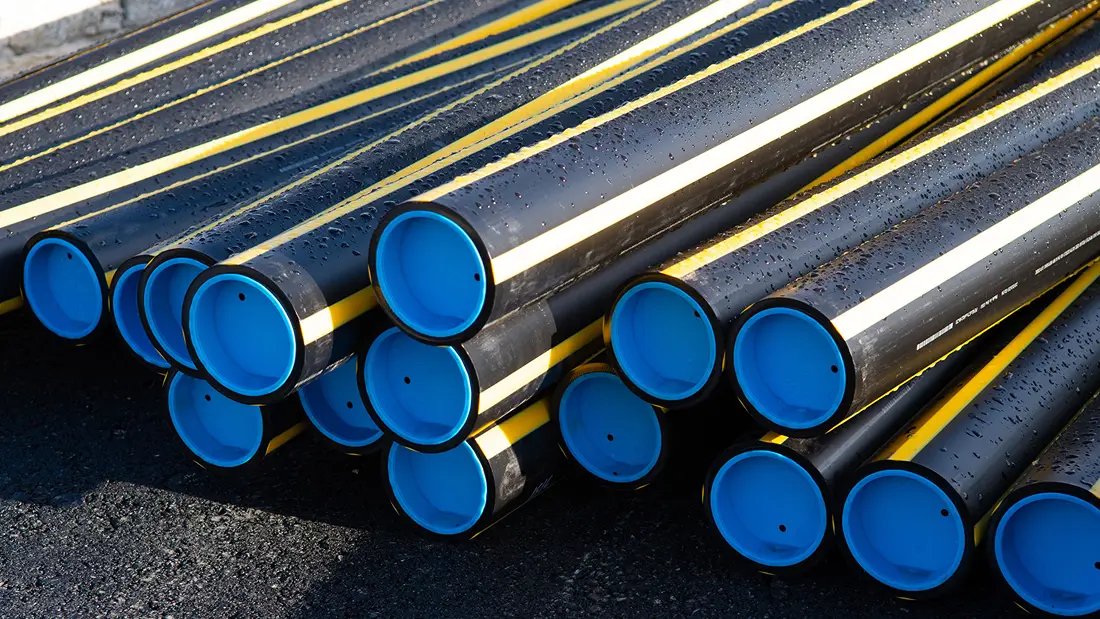
While several products yield to rust and chemical damage with time, HDPE pipes display exceptional resistance, making them optimal for different water administration applications. This durability stems from the molecular structure of high-density polyethylene, which is naturally non-reactive and does not wear away like steels or weaken from exposure to extreme chemicals. As an outcome, HDPE is highly reliable in settings with aggressive materials, such as wastewater systems that might have acids, bases, and organic solvents.
In addition, HDPE pipes can endure environmental variables such as dirt acidity and saline conditions, even more enhancing their suitability for varied applications (hdpe pipe suppliers Midland TX). Their capability to keep architectural honesty in time lowers the danger of leaks and failures, which is crucial in ensuring the security and integrity of water distribution and wastewater administration systems. Subsequently, the resistance to rust and chemical damage markedly adds to the overall performance and durability of HDPE piping solutions
Cost-Effectiveness and Financial Advantages
When considering the financial implications of water monitoring systems, the cost-effectiveness of HDPE pipelines becomes obvious. These pipes provide reduced setup and upkeep expenses compared to conventional products like steel or concrete. Their lightweight nature simplifies transport and installment, causing minimized labor costs. Additionally, HDPE pipelines display a long life-span, typically going beyond half a century, which translates to fewer replacements and lasting savings.
In addition, the resistance of HDPE to deterioration and chemical damage lessens the requirement for expensive repairs and Discover More Here replacements. The pipelines likewise sustain reliable water circulation, lowering power costs related to pumping systems. By minimizing leaks and water loss, HDPE pipelines contribute to significant economic benefits for communities and industries alike. Generally, the preliminary financial investment in HDPE piping can produce considerable financial returns over the life-span of the water administration system, making it a sensible option for sustainable framework advancement.
Ecological Sustainability and Minimized Impact

Convenience and Flexibility in Installment
Due to the fact that of their distinct properties, HDPE pipes provide amazing flexibility and flexibility in setup, making them suitable for a wide variety of applications. Their light-weight nature enables less complicated handling and transport, decreasing labor prices and installment time. HDPE pipes can be bent and formed to fit numerous surfaces and job requirements, which is particularly useful in challenging atmospheres.
Furthermore, their resistance to rust and chemical damages enables installation in varied settings without the demand for specialized safety finishes. The capability to fuse joints creates a constant, leak-free system, improving the total integrity and dependability of the installment. HDPE's versatility likewise fits Visit Website ground movement, lowering the danger of damage in areas susceptible to changing dirt. On the whole, these characteristics make HDPE pipes not only functional yet also a favored option for water and wastewater management systems.
Frequently Asked Concerns
How Does HDPE Pipeline Compare to PVC in Water Management Applications?
HDPE pipe uses superior adaptability, resistance to rust, and toughness compared to PVC. Its lighter weight assists in less complicated setup, while its long life expectancy lowers replacement expenses, making HDPE a preferred option in water monitoring applications.
What Is the Life-span of HDPE Pipes Under Common Conditions?
Under normal problems, HDPE pipes can have a life expectancy varying from 50 to 100 years. Their resilience and resistance to rust add to their long-lasting performance in different applications, making them a reputable choice for framework.
Are HDPE Water Lines Recyclable After Their Life Span?
Yes, HDPE pipelines are recyclable after their service life. Texas hdpe pipe manufacturer. They can be refined and repurposed into new items, considerably minimizing environmental impact and advertising sustainability within the industry, making them an environment-friendly option for piping services
What Is the Setup Refine for HDPE Piping?
The setup procedure for HDPE pipelines includes site preparation, trenching, pipe fusion or mechanical joining, backfilling, and stress screening. Proper methods guarantee a sturdy and effective system for transferring water and wastewater successfully.
Can HDPE Water Lines Be Used for Both Safe And Clean and Non-Potable Water Equipments?
Yes, HDPE pipes can be used for both drinkable and non-potable water supply. Their flexibility, durability, and resistance to rust make them appropriate for different applications, making sure secure and reliable transport of water in various contexts.